


Electric Heat Installation and Repair in Richmond
Tired of cold rooms or an electric heater not working? Bradley Mechanical provides electric baseboard and wall-heater installation, replacement, and troubleshooting for homeowners in Richmond, Chesterfield, Midlothian, and surrounding Central Virginia communities. Whether you need a new electric wall heater installation or are addressing an issue with an existing baseboard heating element, we help you understand your options and the work required to achieve your home comfort goals.
Schedule an electric heat evaluation today to receive clear recommendations for your home.
Our Electric Heat Services in Central Virginia
With over 50 years of experience serving homeowners across Central Virginia with their home comfort needs, you can trust that Bradley Mechanical will approach your electric heating concern or new installation with professionalism, transparency, and strong workmanship.
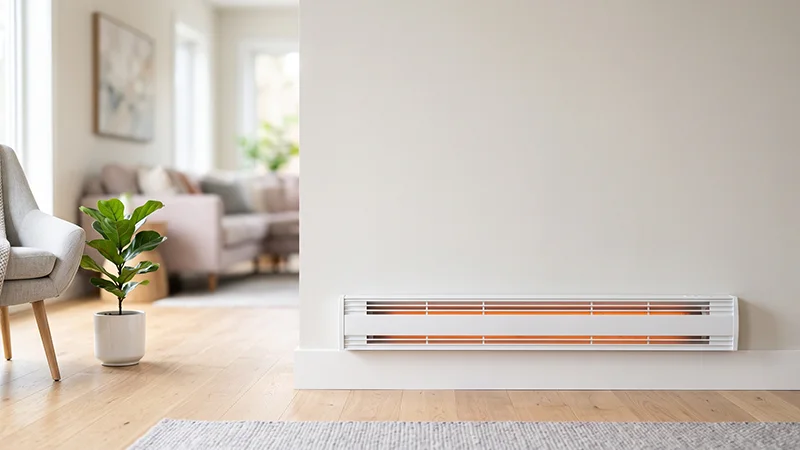
Our approach to electrical services starts with assessing the room, checking the electrical supply, and explaining repair or installation options.
- Installation: Planning electric baseboard heater installation or electric wall heater installation around the room's heating needs and available space.
- Replacement: Evaluating an existing electric heater and the work needed for a suitable replacement.
- Electrical troubleshooting: Investigating issues with the heater's power supply, connections, or controls and offering practical repair solutions.
- Thermostats and circuits: Assessing compatible controls, electric heater wiring, and the circuit requirements for the proposed equipment.
When Electric Heaters and Controls Need Evaluation in Richmond
For most homeowners in Richmond, Chesterfield, Midlothian, or surrounding communities in Central Virginia, it can be difficult to determine whether your electric heating system needs repair or replacement. During our professional evaluation, our electricians will assess the condition of your equipment and the source of the problem before providing transparent recommendations.
Is your electric heater not working? Book an appointment with a qualified expert today to find out what is disrupting your comfort and which next steps to take.
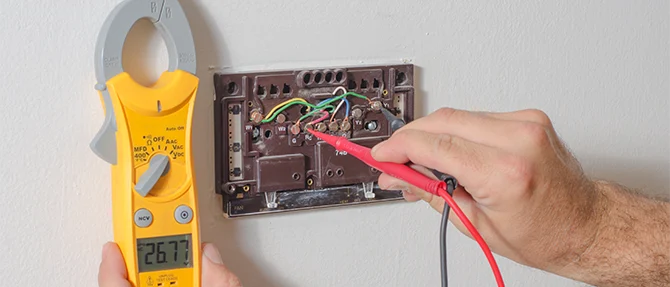
Signs You May Need Electric Heater Electrical Repair
If your electric heater is not working or is no longer performing as it should, it could be due to a variety of causes. Simply replacing the heater without first checking its power supply and controls may result in unnecessary expenses.
Warning signs that indicate you may need an electric heater electrical repair include:
- The baseboard heating element or wall heater no longer produces heat.
- Repeated breaker trips during electric heater operation.
- A thermostat that does not consistently control the heater.
- A fan-forced wall heater that runs without producing warm air.
- Unexpected shutdowns followed by the heater restarting.
Avoid repeatedly resetting a tripped breaker. If your electric heater is showing signs of scorch marks, smoke, or producing a persistent burning smell, discontinue use and contact our electrical emergency services.
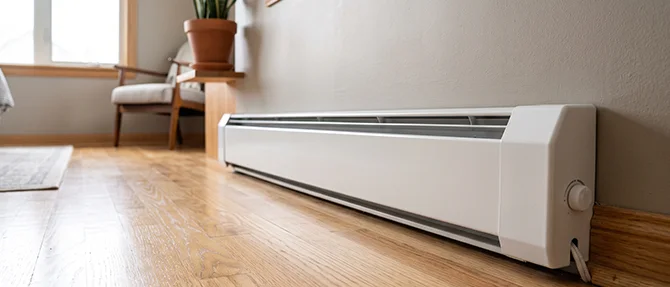
When to Consider a Replacement
Electric baseboard heater replacement or electric wall heater replacement may be appropriate when repair of the equipment is no longer practical. Some of the top reasons our professionals may recommend a replacement instead of repair include instances where:
- Replacement parts are unavailable.
- The repair cost doesn't make sense in the long term compared to a replacement.
- Extensive deterioration or damage makes continued repair impractical.
- A recent renovation changes the room's layout and requires different heater dimensions, placement, or output.
- The existing baseboard or wall heater is no longer compatible with your desired temperature-control features.
Bradley Mechanical can help assess these factors and explain whether replacement is the most feasible option for your home goals.
Matching Electric Heat to Circuits and Controls in Richmond
Choosing electric heat involves more than finding a heater that fits the wall or baseboards. The equipment, electrical supply, and thermostat must work together. Our certified electricians are trained in the National Electrical Code (NEC) and can evaluate these requirements before recommending changes, helping you understand whether existing connections can support the proposed heater or additional electrical work is needed.
Schedule an electric heat evaluation before purchasing equipment to ensure you plan for the right heater, circuit, and controls.
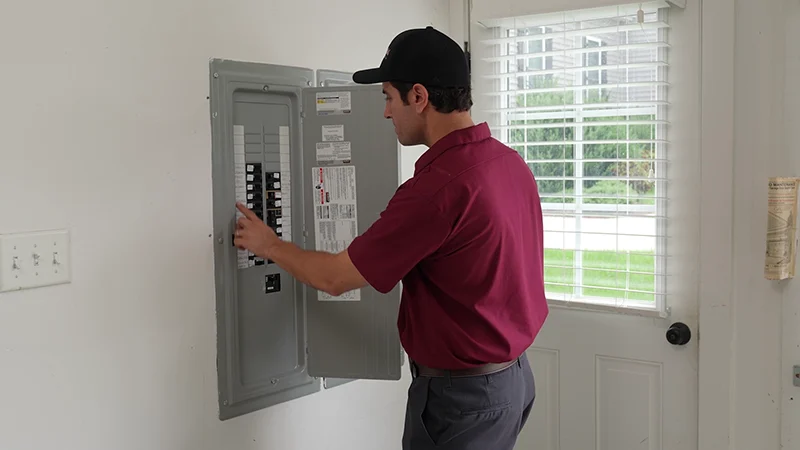
Electric Heater Wiring and Supply Requirements
Every fixed electric resistance heater has ratings that guide our installation process so that it is done correctly, safely, and efficiently. During our electric heater wiring installation process, our professionals consider:
- Heater wattage, which describes its electrical power demand
- Supply voltage that matches the equipment's approved configuration
Choosing a higher-wattage heater or a similar heater to the one you have is not always the right solution, especially if the existing circuit cannot support the added load. This assessment helps us plan electric resistance heating installation around the room's heating needs and available electrical supply.
Electric Heating Circuit Installation
When considering installing an electric heating circuit, it's important to hire a professional experienced in determining whether the electric heater's wiring is appropriate for the connected heating load and installation conditions. During our evaluation, we assess the existing conductors, connections, circuit capacity, and overcurrent protection, such as the circuit breaker.
If a new electric heating circuit installation is needed, we determine the requirements for a dedicated heating circuit or another permitted circuit arrangement. Since electric heating can draw a significant amount of energy, available breaker space alone does not guarantee it can handle additional heating equipment. If the assessment identifies a capacity concern, we explain whether electrical service upgrades should be considered.
Electric Heater Thermostat Installation
Electric heater thermostat installation requires a control rated for the heater's voltage, electrical load, and control configuration. A line-voltage thermostat switches the heater power directly and cannot simply be replaced with a typical low-voltage HVAC thermostat, which is why getting professional help is important.
Our team checks compatibility and placement so the control can accurately sense room temperature. If you want programmable scheduling or connected controls, we first confirm which options work with your equipment and then discuss which solutions are most practical.
What to Expect During Electric Heater Installation or Replacement
Whether you want a new electric baseboard heater installation as part of a renovation project or need an electric wall heater replacement because your old system is no longer working, Bradley Mechanical starts by reviewing the space, your heating needs, and the installation conditions.
During the initial consultation, our team will explain the proposed equipment and electrical work so you understand what the project includes and the pricing before any work begins. After the installation, our team will perform operational checks to ensure your electric baseboard or wall heater is functioning properly and safely.
Book your electric heat evaluation with a professional today to get clear recommendations and plan your installation with confidence.
Electric Baseboard Heater Installation and Replacement
Many homeowners throughout Richmond, Chesterfield, Midlothian, and Central Virginia choose to install electric baseboard heaters as a zoned heating option for quiet, steady warmth without a circulating fan. These heaters use natural convection to move warmed air through a room and can be useful in bedrooms or other spaces where fan noise isn't ideal. One thing to keep in mind is that electric baseboard heaters require sufficient wall space and room around the heater for the air to circulate properly.
Our team reviews placement so that furniture, curtains, and other furnishings can remain outside the manufacturer's clearance requirements. For electric baseboard heater replacement, we also check the new unit's dimensions, mounting requirements, and access for electric heater wiring connections. A similar-looking heater may require upgrades or wall repair once the work is completed.
Electric Wall Heater Installation and Replacement
Electric wall heater installation may be best for rooms with limited usable baseboard space. A recessed fan-forced wall heater occupies a smaller section of wall and circulates warm air with a fan, although homeowners should consider fan noise and furniture placement.
Electric wall heater installation requires attention to the wall opening, the mounting enclosure, airflow, and maintenance or service access. Similar to a baseboard heating element, a fan-forced wall heater requires an unobstructed path for air to enter and ample space for warm air to circulate.
During electric wall heater replacement, we check whether the existing wall enclosure is approved for the proposed model. Reusing the enclosure depends on manufacturer clearance requirements, compatibility, and existing wiring. Sometimes, older homes may require electrical service upgrades and rewiring to ensure that the new electric wall heater works safely and efficiently.
Once installed, our professionals will check the heater's operation and the thermostat's response to ensure everything is working as it should. We also review the manufacturer's clearance requirements and will answer any questions you have about ongoing maintenance.
Frequently Asked Questions
What should be checked before installing electric heat?
A certified electrician should assess the room's heating needs, available placement, electrical capacity, and the heater's requirements. This includes heater wattage, supply voltage, wiring, overcurrent protection, thermostat compatibility, and manufacturer clearance requirements.
Why is my electric heater not working or repeatedly shutting off?
If your electric heater is not working, it could be due to a variety of issues, including a power supply problem, a faulty thermostat, a damaged heating element, or restricted airflow, which can trigger the high-limit control. If the room stays cold or the shutdowns are frequent and unusual, call a professional for an electric heat evaluation today, and we'll help identify the exact cause.
Will installing electric heat lower my energy bills?
No, using electric heat does not guarantee a reduction in your energy bills. While electric heaters can be efficient for zoned heating, operating costs still depend on electricity rates, heating demand, run time, and the equipment you currently use. For the most efficient whole-home heating options, explore our heating services.
Does adding electric heat mean I need an electrical service upgrade?
No, adding electric heat does not always require an electrical service upgrade. It depends on the additional heating load, your home's existing electrical capacity, and compatibility. Contact our qualified electricians today to evaluate your current service and whether you need an upgrade. If additional capacity is needed, we will explain your options clearly and provide honest guidance on the next steps.
How do electric furnaces and electric water heaters relate to electric heat?
Electric furnaces and conventional electric resistance water heaters use electricity to generate heat, but they serve different purposes. Furnaces distribute warm air through ductwork, while water heaters supply hot water to fixtures and appliances.
Cold room? Book an electric heat evaluation and get honest recommendations.


